
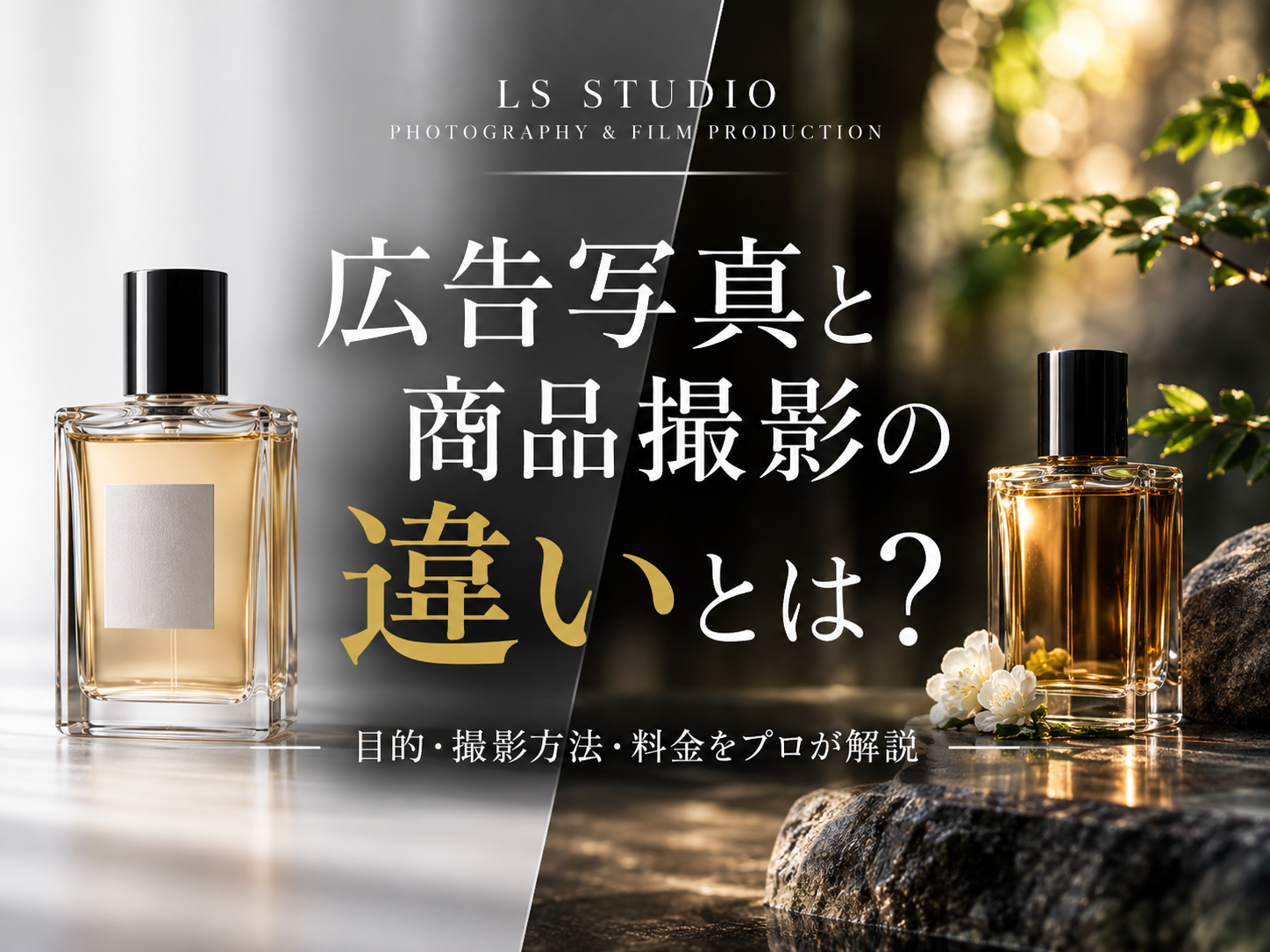
Advertising Photography vs. Product Photography: What’s the Difference?
Creative & ProductionJournal / Case StudyProduct & BrandWeb
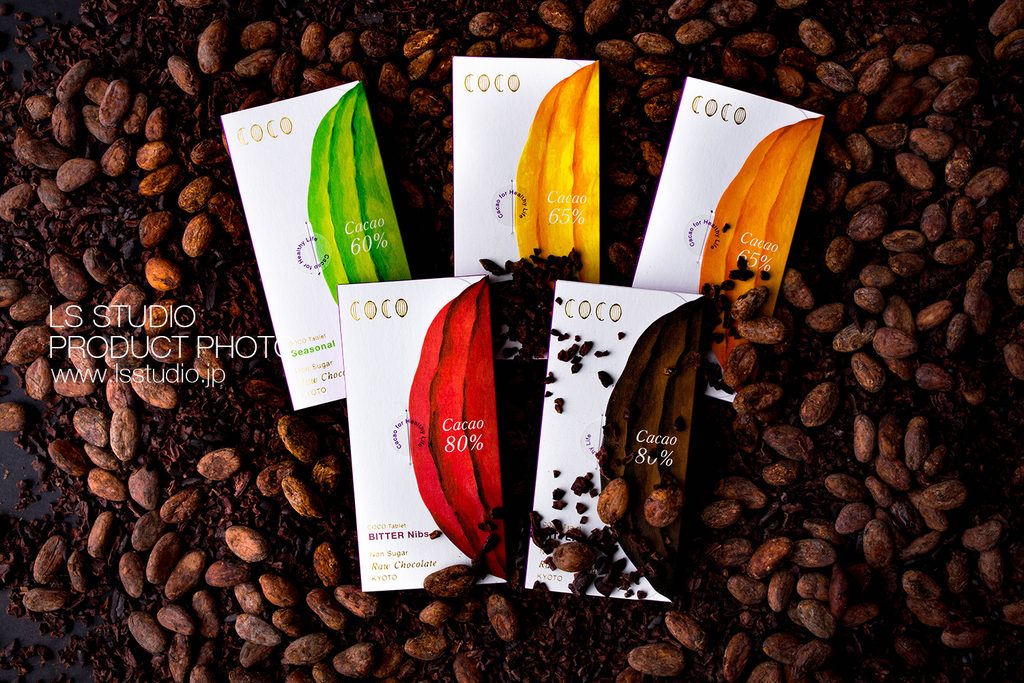
Photos that show a product, and photos that make you want it
“Could you photograph our products?” We get that request often. But even for the same product, how we shoot changes completely depending on what the photos are for.
Take product shots for an online shop and images for a brand’s advertising campaign. Both feature the same item, yet the role each photo plays is different.
I’ve photographed products, brands and companies of all kinds, and before every shoot I ask the same question: “What do we want people to feel when they see this photo?”
Here, from a photographer’s point of view, is how advertising photography and product photography differ.
1. Product photography conveys information accurately
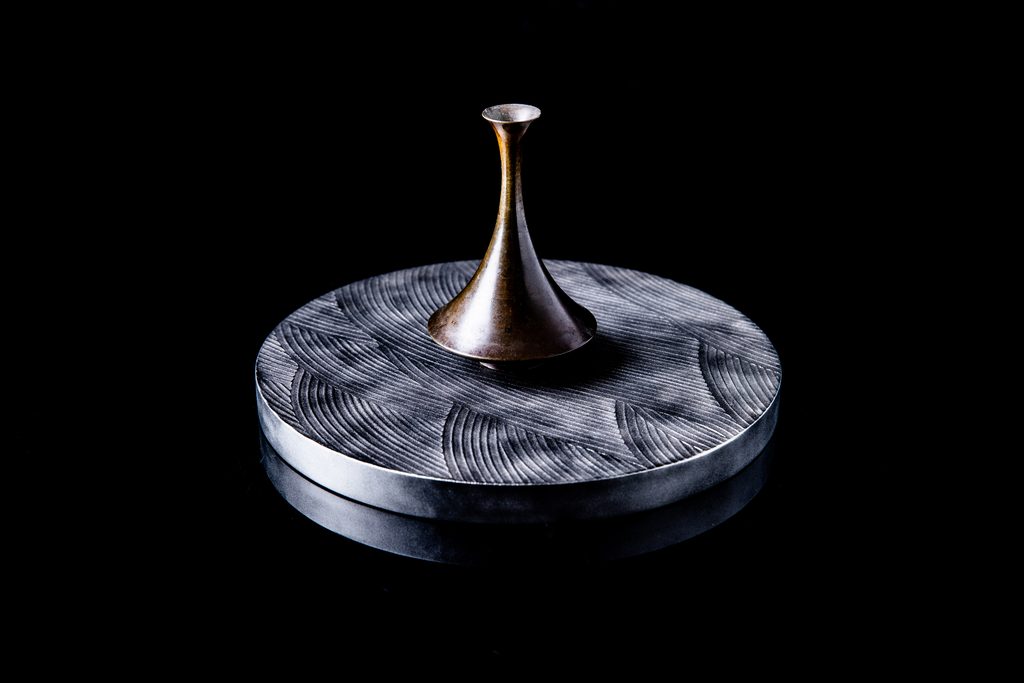
In standard product photography, what matters is accurately showing a product’s shape, colour, texture, size and details.
Imagine buying a bag online. Its shape from the front, its depth from the side, the texture of the material, the zips and handles — shoppers check all of this through photos.
Product photography has to present the product’s features clearly, leaving as little room for misunderstanding as possible. Online, where customers can’t pick the item up, photos become a key basis for the buying decision. That’s why lighting, colour accuracy, angles and consistent backgrounds matter so much.
Even a seemingly simple white-background shot takes real technique: a white product on white, a black product on black, reflective materials like metal and glass. With these, the way light falls changes the product’s impression dramatically.
Product photography exists to help people understand the product correctly.
2. Advertising photography conveys value and a world
Advertising photography, on the other hand, isn’t only about explaining shape or function. What experience does the product bring? How does it make you feel? What lifestyle does it connect to? Conveying that value and imagery visually is what matters.
Say we’re photographing a bottle of perfume. For e-commerce, you need images that clearly show the bottle’s shape, label, colour and volume.
For advertising, though? A single shaft of light in a dark space. Delicate reflections in the glass. Plants, water or fabric that evoke the scent. Through that kind of staging, we can express the perfume’s luxury and mystery, and the brand’s world.
Advertising photography conveys not just the product, but the imagery and story it carries. In other words, if product photography tells people what you’re selling, advertising photography tells them why they’ll want to choose it.
3. Same product, completely different approach
Consider photographing a bottle of sake.
Product shots for e-commerce
- The bottle’s shape is shown accurately
- The label text is easy to read
- The colour of the glass and texture of the liquid come through
- Backgrounds are consistent, so products are easy to compare
- Several cuts — front, angled, detail
Photography for brand advertising
- Backgrounds and spaces chosen to match the brand concept
- Light and shadow give the product presence
- Water, ice and other materials shape the mood
- Scenes of use, or people, are included
- Space is planned for copy and logos
Neither is better. Their purposes are different.
And sometimes advertising needs to show the product accurately, while product shots benefit from a touch of brand styling. In real projects, the two aren’t always clearly separated — which is exactly why sharing the purpose before the shoot matters.
4. Advertising photography needs planning before the shoot
For product photography, the number of items and cuts, backgrounds and angles are often decided in advance. Advertising photography can involve far more time in planning and preparation. We consider questions like:
- Who is the advertising for?
- What message does the brand want to convey?
- What kind of world should we express?
- What backgrounds and props are needed?
- Do we need models or stylists?
- Where will the images run — web, social, posters?
- Will text or logos sit within the image?
With advertising, it’s not unusual for the direction to be largely settled before the shoot day. Even for a single product, building sets, testing lighting and preparing props can take time. This difference in planning and production is one reason advertising shoots are priced differently from straightforward product photography.
5. Quality isn’t decided by equipment alone
Today’s cameras and smartphones are remarkably capable, and photographing a product nicely is more accessible than ever. But what matters in advertising isn’t simply shooting at high resolution.
Where should the light fall? What do we show, and what do we hide? How do we balance product and background? What emotion do we want to create? These decisions shape the impression of the photo.
With materials that have strong character — glass, metal, lacquer, ceramics, leather — the handling of light transforms the texture. I make a point of studying a product’s material and form and searching for the light that best reveals its appeal. Sometimes leaving shadow feels more beautiful than making everything bright.
Not only what to show, but what not to show. I believe that choice is an essential part of photographic expression.
6. Does pricing differ?
Pricing is one of the most common questions. Take a request to “photograph ten products.” Shooting those ten from the front on white is very different — in time and crew — from creating a distinct world for each and shooting them as advertising visuals.
Standard product photography is often quoted by number of items, cuts and shooting time. Advertising is quoted taking in planning, direction, styling, set building, the shoot, retouching and usage. And product photography, too, can become costly when it needs complex lighting or advanced compositing.
So rather than judging cost by shooting time alone, I think it’s important to confirm what kind of photos we’re creating, and for what purpose.
7. Online shops need both
If you run an online shop, which should come first? Where possible, I recommend combining the two.
On listing pages, consistent backgrounds and angles make products easy to compare. Product detail pages need images that show materials, details and how the product is used. On the homepage and brand pages, advertising-style images convey appeal and atmosphere. Social ads and campaigns may need striking visuals that stop the scroll.
Photos that help people understand the product, and photos that make them fall for the brand — each plays its own role. Especially when you want to communicate brand value and craftsmanship rather than compete on price alone, advertising-style visuals become essential.
8. What to think about before commissioning
You don’t need every detail decided before you contact us. But sharing a few things helps us make concrete suggestions — for example:
- “We’re launching a new online shop and want consistent product photos.”
- “We want advertising images that convey our brand’s luxury.”
- “We’d like a batch of photos for social media.”
- “We want to use them for international promotion.”
- “Our current product photos don’t seem to convey our brand’s world.”
Requests like these are perfect. The shoot itself isn’t the goal — what do you want to achieve with the photos? Thinking that through together leads to good work.
Finally: photography connects products and people
Every product carries its maker’s intentions and story. What materials were chosen? Why that shape? Who is it for?
Product photography conveys that appeal accurately. Advertising photography expresses the value and world behind it. Both are important work that connects products with people.
As a photographer, I want to do more than photograph products beautifully — I want to understand what makes a product or brand compelling and communicate it through photographs.
Photos that show a product, and photos that make you want it. Being aware of that difference may be the first step towards more effective visuals.
Product and advertising photography enquiries
Based in Kyoto, LS STUDIO creates product photography, advertising photography, brand visuals, e-commerce imagery and video. From shoots that show a product’s features accurately to creative advertising that expresses a brand’s world, we propose the approach that fits your goals.
Centred on Kyoto and Osaka, we work with clients across Japan and overseas.
LS STUDIO
Photography / Film / Visual Production
Kyoto, Japan