

Why Architectural Photography Shouldn’t Rely on Wide-Angle Lenses Alone
ArchitectureHotel & Hospitality

When people think of architectural photography, many picture a wide-angle lens. We use them too, of course — they’re essential for showing a whole space and conveying a building’s structure.
But shooting everything on a wide angle is, I think, a missed opportunity.
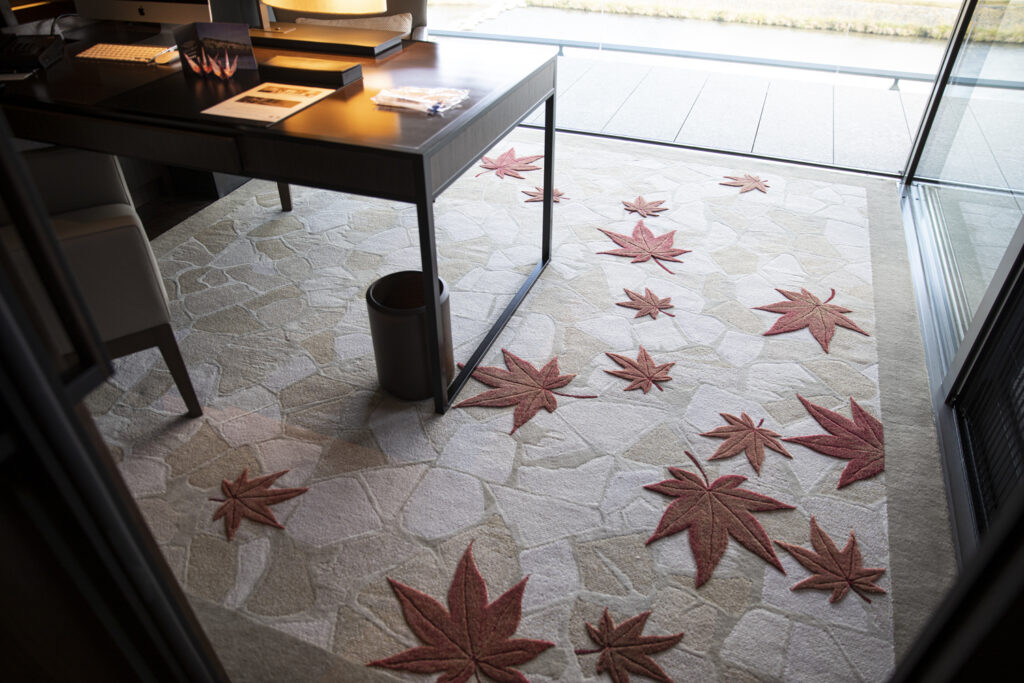
Capturing a lot isn’t the same as conveying a space
A wide-angle lens fits a whole room into one frame. But a building’s appeal isn’t always its size. It might lie in the wall materials, the furniture, the light from a window, the joinery, the art, or the sightlines the architect designed.
Change the lens, and the architecture looks different
During a shoot, we deliberately switch lenses. A slightly longer lens reveals layers of light and material you can’t see on a wide angle. Softening the background lets us show not the whole space, but the details people actually notice when they’re there.
The “accurate photos” needed for completion records, and the “photos you feel” needed for advertising and websites — it’s important to capture both.
Conveying what the architect designed
Architectural photography isn’t just about the photographer’s own work. It’s about understanding what the architect or designer was thinking, and which parts of the space they want people to see.
Wide, standard, telephoto, shift — lenses aren’t the goal, but tools for communicating that intent.
Based in Kyoto, LS STUDIO photographs completed projects, architecture, interiors, hotels and shops. Photos that record the whole space, and photos that let you feel its atmosphere — we care about leaving both.