

5 Things to Know Before Booking Hotel Photography
Hotel & Hospitality
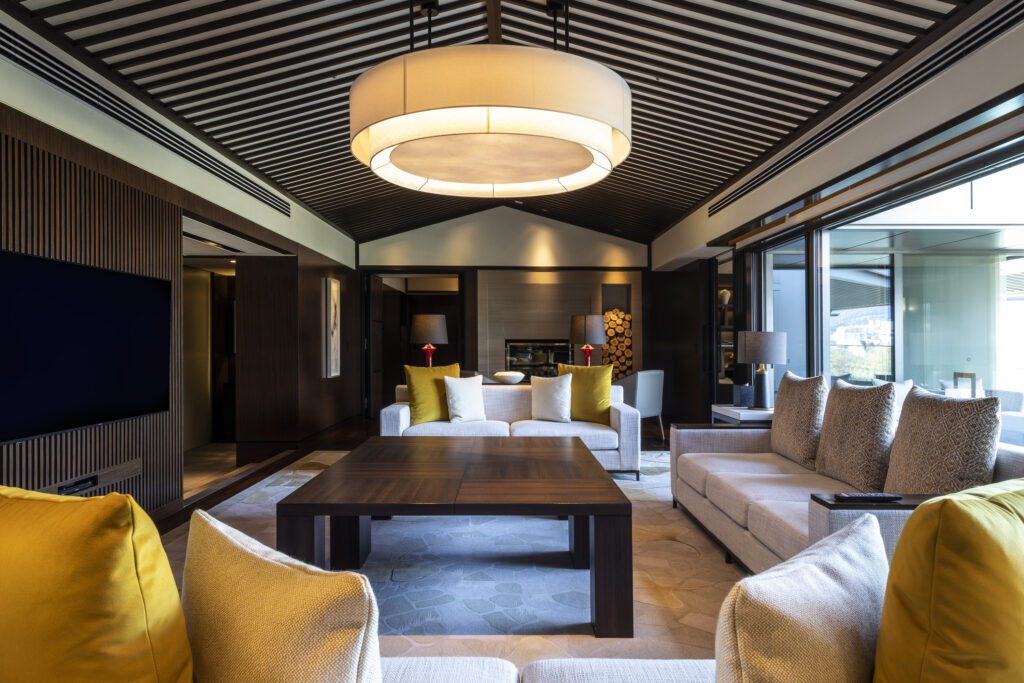
Kyoto has every kind of accommodation imaginable, from luxury hotels to small inns in converted machiya townhouses.
When we’re asked to photograph a hotel, the first questions are usually: “How many hours will it take?” and “Roughly how much will it cost?”
It depends on scale, of course — but hotel photography can’t be planned simply by counting rooms. Here are five things we think are worth considering before the shoot, based on photographing many hotels.
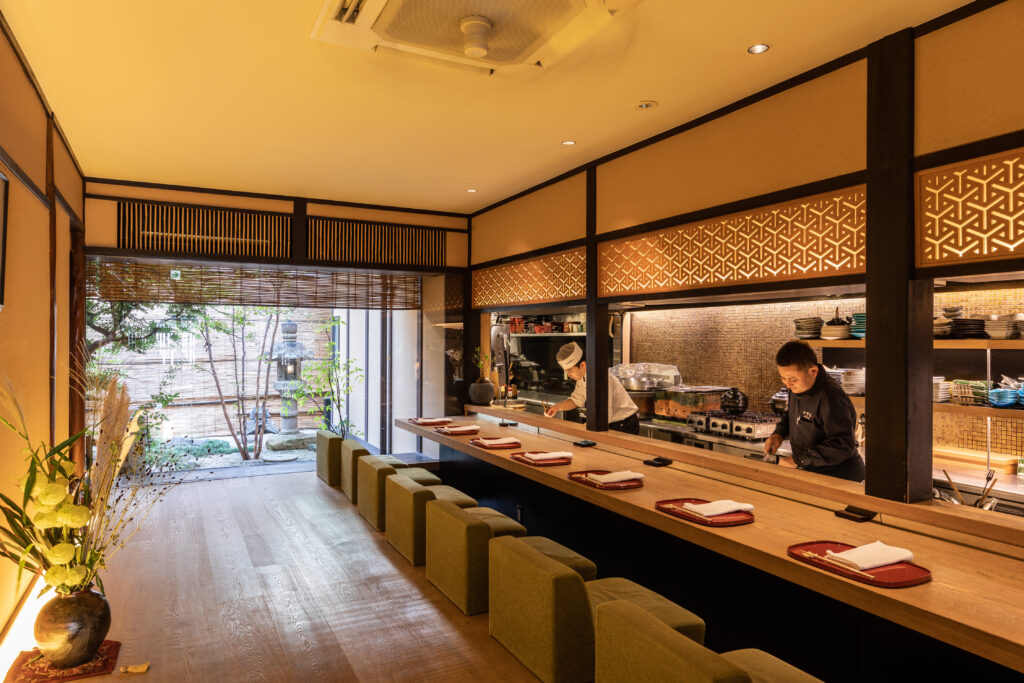
1. How the photos will be used matters more than what you shoot
The first thing to confirm is purpose. Official website, booking platforms, advertising or social media? Even for the same guest room, the images you need change with the use — and so do the aspect ratios: 4:3, 16:9, 1:1.
You need photos that show the whole room accurately, and mood images — the light by the bed, the texture of materials — that make people feel “I want to stay here.” At LS STUDIO, we treat completion photography and hotel advertising imagery as two different things.
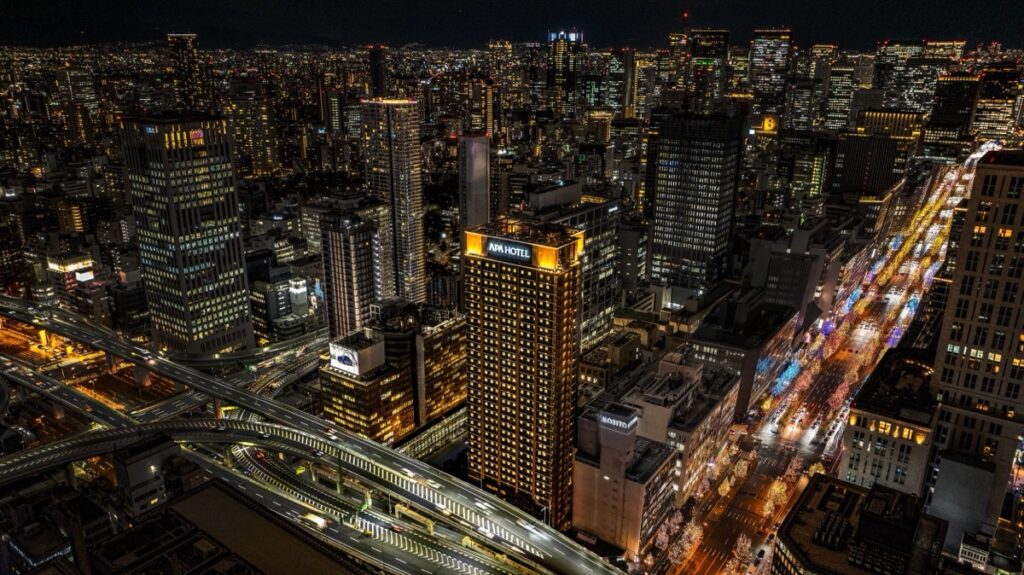
2. Time of day is crucial
A hotel doesn’t look the same all day: guest rooms in the morning, natural light at midday, the lounge at dusk, the exterior after sunset, the restaurant under evening lighting.
Kyoto in particular has many hotels and ryokan that make beautiful use of daylight, so a space can change dramatically with the hour. It’s important to plan not just where to shoot, but what to shoot at what time.
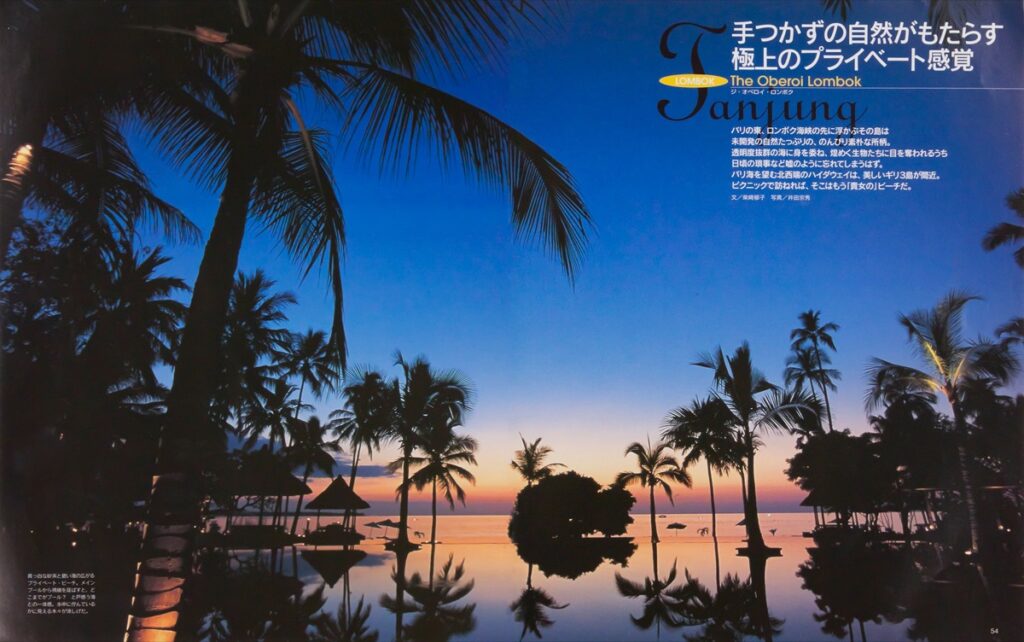
3. Wide-angle shots alone won’t convey a hotel’s appeal
We use wide-angle lenses to show rooms generously, of course. But shoot everything wide and you end up with a facilities brochure. Furniture, amenities, light, food, materials, art — switching lenses to capture what makes the hotel itself. We put real weight on these mood images.

4. Should people be in the photos?
Adding models turns hotel photography from “space” into “experience” — relaxing by the window, dining in the restaurant, walking through the garden. People browsing the website can imagine themselves there. Do you need architectural photos only, or model shoots too? That’s another point to decide beforehand.

5. Consistency across the set
Guest rooms, restaurants, exteriors, food, people — rather than treating each separately, what matters is that, side by side on the website or in ads, they read as one hotel. Colour, light, composition and atmosphere: the brand is built by the whole set of photos, not by any single image. We believe hotel photography has to be planned with that in mind.
Based in Kyoto, LS STUDIO covers hotel completion photography, architecture and interiors, food, models, advertising visuals and video.
Not simply recording a hotel, but conveying the experience of staying there — that’s the hotel photography we aim for.